
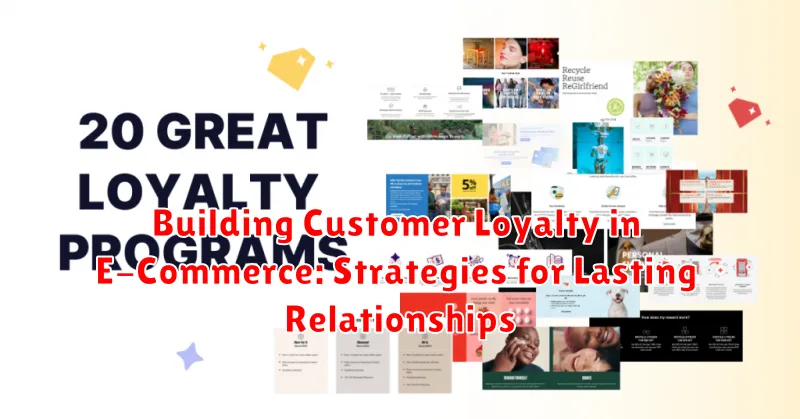
In today’s competitive e-commerce landscape, building customer loyalty is more crucial than ever. Acquiring new customers is significantly more expensive than retaining existing ones, making customer retention a key focus for sustainable business growth. This article will explore proven strategies to cultivate lasting relationships with your online customers, transforming one-time buyers into loyal brand advocates. We’ll delve into the importance of e-commerce customer loyalty programs, personalized customer experiences, and effective communication strategies to foster strong bonds with your customer base.
From understanding the core principles of customer relationship management (CRM) in the digital space to implementing practical tactics for improving customer satisfaction, this guide will provide actionable insights for businesses of all sizes. Learn how to leverage data-driven approaches to personalize the customer journey, build a thriving online community, and ultimately, achieve sustainable growth through strong customer relationships in the e-commerce environment. Discover the key elements to create a loyal customer following that drives repeat business and contributes to long-term success.
Understanding the Importance of Customer Loyalty
In the competitive landscape of e-commerce, customer loyalty is not just desirable, it’s essential for sustained growth and profitability. Acquiring new customers is significantly more expensive than retaining existing ones. Loyal customers represent a stable revenue stream, reducing the reliance on costly marketing campaigns to constantly attract new buyers.
Beyond direct revenue, loyal customers become brand advocates. They willingly share their positive experiences, providing invaluable word-of-mouth marketing that organically expands your reach. This organic growth fuels brand awareness and builds trust among potential customers, further reducing acquisition costs.
Customer lifetime value (CLV) is significantly higher for loyal customers. Repeat purchases, increased order values, and positive referrals all contribute to a higher CLV, making investment in loyalty programs and customer experience initiatives a strategically sound decision.
Building a Strong Brand Identity: Values, Mission, and Voice
In the competitive e-commerce landscape, a strong brand identity is crucial for fostering customer loyalty. It provides a framework for all customer interactions, ensuring consistency and building trust.
Core values define what your business stands for. These are the fundamental beliefs that guide your decisions and actions. Clearly communicating these values resonates with customers who share similar beliefs, fostering a sense of connection.
Your mission statement articulates your purpose and what you aim to achieve. It provides a clear direction for your business and helps customers understand your goals and how you intend to serve them.
Brand voice represents the personality and tone of your communications. It should be consistent across all platforms, from website copy to social media posts. A distinct brand voice helps you stand out from the competition and build a recognizable identity.
Aligning these elements – values, mission, and voice – creates a cohesive brand identity that resonates with customers, fostering trust and encouraging long-term loyalty.
Creating a Positive Customer Experience: From Browsing to Checkout
A positive customer experience is paramount to fostering loyalty. From the moment a customer lands on your website to the final purchase confirmation, every interaction shapes their perception of your brand. A seamless and enjoyable experience encourages repeat business and positive word-of-mouth referrals.
Website Navigation should be intuitive and easy to use. Customers should be able to find what they are looking for quickly and efficiently. A well-designed website with clear categories, a powerful search function, and helpful filters can significantly enhance the browsing experience.
Product Information must be detailed and accurate. High-quality images, comprehensive descriptions, and customer reviews build trust and confidence in the purchase decision. Providing size guides, material specifications, and other relevant details can further alleviate customer concerns.
The Checkout Process needs to be streamlined and secure. A complicated or lengthy checkout can lead to cart abandonment. Offering multiple payment options and clearly displaying shipping costs and delivery times contribute to a transparent and positive experience. Secure checkout procedures are crucial for establishing trust and protecting customer data.
Rewarding Loyal Customers: Loyalty Programs, Discounts, and Exclusive Offers
A well-structured rewards program can significantly boost customer retention. Loyalty programs offer a tangible incentive for repeat purchases, often through a points-based system where customers earn points for every dollar spent, redeemable for discounts or other perks. This encourages customers to choose your store over competitors.
Discounts are a powerful tool for driving repeat business. Offering exclusive discounts to loyal customers makes them feel valued and encourages future purchases. These can be percentage-based discounts, fixed-amount discounts, or even free shipping offers.
Exclusive offers provide a sense of VIP treatment, further strengthening customer loyalty. This could include early access to new products, invitations to special events, or personalized recommendations based on their purchase history. These exclusive perks cultivate a sense of community and make customers feel appreciated.
Providing Excellent Customer Service: Prompt, Helpful, and Personalized Support
Exceptional customer service is a cornerstone of e-commerce success and a powerful driver of loyalty. Customers expect prompt and efficient assistance when encountering issues. Delayed responses or unresolved problems quickly erode trust and encourage customers to seek alternatives.
Helpfulness is paramount. Customer service representatives must be knowledgeable about products and services, equipped to handle diverse inquiries, and empowered to offer practical solutions. Going the extra mile to exceed expectations cultivates a sense of appreciation and strengthens the customer-business relationship.
Personalization elevates the customer service experience from transactional to relational. Addressing customers by name, referencing past interactions, and tailoring solutions to their specific needs demonstrates genuine care and fosters a sense of valued connection. This personalized touch differentiates your brand and encourages long-term loyalty.
Engaging Customers on Social Media: Building Community and Fostering Relationships
Social media platforms are invaluable tools for cultivating customer loyalty. Active engagement builds a sense of community and fosters stronger relationships with your brand.
Create a consistent brand presence. Post regularly and maintain a unified brand voice and aesthetic across all platforms. This builds familiarity and reinforces brand recognition.
Run interactive contests and giveaways. These initiatives boost engagement and generate excitement around your brand. Offer prizes relevant to your target audience to maximize participation.
Respond to comments and messages promptly. Acknowledge customer feedback, whether positive or negative. This shows you value their opinions and are committed to providing excellent customer service.
Use social listening to understand customer needs. Monitor conversations related to your brand and industry to identify trends and address customer concerns proactively. This valuable insight can inform product development and marketing strategies.
Leveraging Email Marketing to Nurture Customer Loyalty
Email marketing remains a powerful tool for building customer loyalty. It provides a direct line of communication to nurture relationships and encourage repeat purchases.
Welcome emails for new subscribers are essential. They set the tone for future interactions and can offer an initial discount or exclusive content.
Transactional emails, such as order confirmations and shipping updates, are also opportunities to build loyalty. Include personalized product recommendations or related items to encourage further browsing.
Regular newsletters can keep customers engaged with your brand. Share valuable content, such as blog posts, product updates, or exclusive promotions. Segment your audience to ensure relevant content delivery.
Post-purchase follow-up emails are crucial. Request feedback to show you value their opinion and identify areas for improvement. Offer incentives for leaving a review or completing a survey.
Personalizing the Shopping Experience: Recommendations and Tailored Content
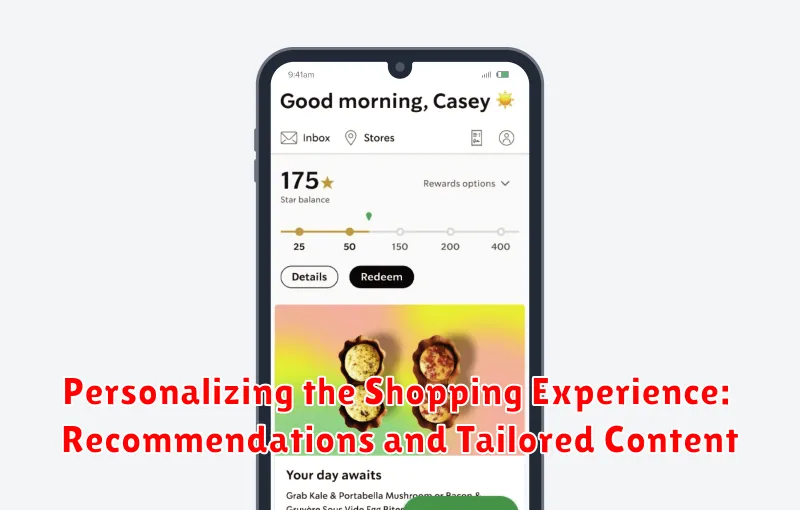
In the competitive e-commerce landscape, personalization is key to fostering customer loyalty. By tailoring the shopping experience to individual preferences, businesses can cultivate stronger relationships and encourage repeat purchases.
Product recommendations, powered by sophisticated algorithms, are essential. Analyzing past purchases, browsing history, and even abandoned carts allows businesses to suggest relevant items that customers are likely to appreciate. This targeted approach reduces search time and introduces customers to products they might not have discovered otherwise.
Beyond product suggestions, tailored content enhances the overall shopping experience. Customizing website content, email communications, and even special offers based on individual customer data creates a sense of exclusivity and value. Addressing customers by name and acknowledging past interactions further strengthens this personal connection.
Dynamic pricing can also play a role, although it must be implemented carefully to avoid alienating customers. Offering personalized discounts or promotions based on individual purchase patterns can incentivize loyalty and drive sales.
Building Customer Loyalty through Content Marketing: Providing Value and Building Trust
Content marketing plays a crucial role in fostering customer loyalty by providing valuable information and building trust. Instead of directly promoting products, focus on creating content that educates, entertains, or solves a problem for your target audience.
By consistently delivering high-quality content, you position your brand as an authoritative source in your industry. This builds credibility and encourages customers to return to your website or social media platforms for more information.
Examples of effective content marketing include blog posts, articles, how-to videos, and infographics. Consider the specific needs and interests of your target audience when developing content. Addressing their pain points and providing solutions builds a strong sense of trust and strengthens the customer relationship.
Content marketing is a long-term strategy that requires consistent effort. By continually providing value to your customers, you cultivate a loyal following who view your brand as a trusted partner.
