
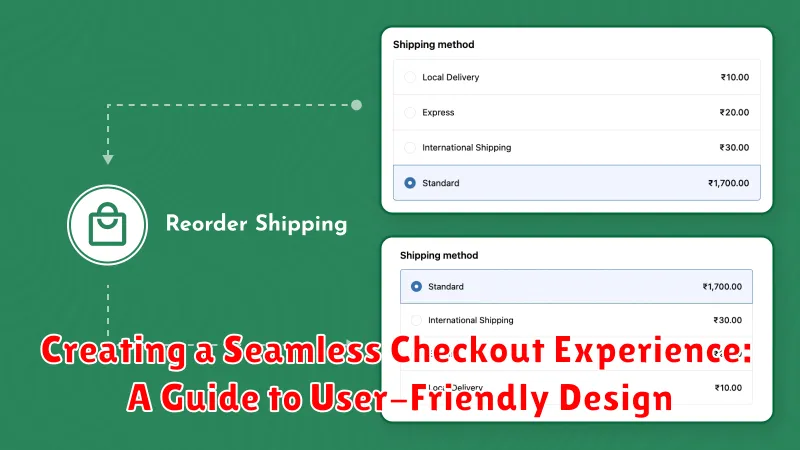
In today’s competitive e-commerce landscape, a seamless checkout experience is paramount to success. A clunky, confusing, or frustrating checkout process can lead to abandoned carts, lost revenue, and damaged brand reputation. This comprehensive guide explores the crucial elements of user-friendly design in checkout processes, offering practical strategies to optimize conversions and foster customer loyalty. Learn how to create a seamless checkout experience that encourages customers to complete their purchases with ease, from streamlined forms to secure payment gateways, ensuring a positive and frictionless journey from browsing to purchase confirmation. We will delve into the key principles of user experience (UX) and user interface (UI) design specifically tailored for the checkout process, offering actionable insights to enhance your e-commerce platform.
Creating a seamless checkout experience is more than just a technical necessity; it’s a strategic imperative. This guide will empower you to transform your checkout process into a conversion-driving machine. Discover best practices for minimizing form fields, optimizing mobile responsiveness, building trust and security, and offering flexible payment options. By implementing the principles of user-centered design, you can significantly reduce cart abandonment rates and cultivate lasting customer relationships. From the initial “add to cart” button to the final thank you page, we’ll cover every aspect of building a seamless and user-friendly checkout experience that drives sales and elevates your brand.
Understanding the Importance of a User-Friendly Checkout
A user-friendly checkout experience is crucial for any online business. It directly impacts conversion rates, customer satisfaction, and ultimately, revenue. A complicated or frustrating checkout process can lead to abandoned carts and lost sales. Conversely, a streamlined and intuitive checkout encourages customers to complete their purchases and fosters positive brand perception.
Reducing friction during the checkout process is key. Customers should be able to easily navigate through the steps, input their information efficiently, and feel confident in the security of their transaction. A seamless experience minimizes frustration and encourages repeat business.
Investing in a user-friendly checkout is an investment in the long-term success of your online store. By prioritizing ease of use and customer satisfaction, businesses can cultivate loyalty and drive sustainable growth.
Key Elements of a Seamless Checkout Process
A user-friendly checkout experience hinges on several key elements working together harmoniously. Clarity is paramount; users should immediately understand what steps are involved and what information is required. Transparency regarding costs, including shipping, taxes, and any other fees, builds trust and minimizes surprises.
Offering multiple payment options caters to diverse customer preferences. Accepting major credit cards, digital wallets, and other popular methods reduces friction. Guest checkout options accommodate users who prefer not to create an account, further streamlining the process.
Security is non-negotiable. Displaying security badges and utilizing secure payment gateways assures customers that their information is safe. Finally, providing order summaries allows users to review their purchase before finalizing the transaction, ensuring accuracy and reducing potential errors.
Optimizing the Checkout Flow for Conversions
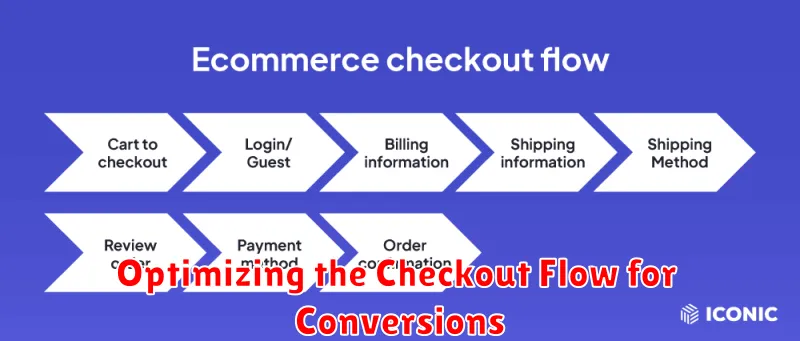
A streamlined checkout flow is crucial for maximizing conversions. Minimizing friction and distractions is key to encouraging users to complete their purchase.
Reduce the number of steps required. Each additional click or page introduces another opportunity for the user to abandon their cart. Consolidate information where possible and offer guest checkout options to avoid forcing account creation.
Clearly display progress. A progress indicator, such as a stepped bar, provides transparency and reassures the user about their progress through the checkout process. This reduces uncertainty and encourages completion.
Offer multiple payment options. Providing a variety of payment methods, including popular digital wallets and credit card options, caters to a wider audience and removes potential barriers to purchase.
Provide clear calls to action. Buttons and links should be prominent and labeled with clear, actionable language, such as “Proceed to Payment” or “Confirm Order.” This guides the user through the process and minimizes confusion.
Designing a Mobile-Friendly Checkout Experience
With the dominance of mobile commerce, a seamless mobile checkout is crucial. Prioritize a responsive design that adapts flawlessly to different screen sizes and orientations.
Minimize data entry by leveraging autofill and pre-filled information whenever possible. Offer guest checkout options to reduce friction for new customers. Clearly display progress indicators to manage user expectations throughout the process.
Streamline form design for touch input. Use large, easily tappable buttons and input fields. Implement input validation in real-time to guide users and prevent errors. Consider alternative input methods like mobile wallets and biometric authentication to further simplify the experience.
Best Practices for Form Design and Data Entry
Streamlined forms are crucial for a positive checkout experience. Minimize the number of fields, requesting only essential information. Clearly label each field and use placeholders to guide users.
Input validation should be implemented to prevent errors and provide immediate feedback. Highlight incorrect entries and offer suggestions for correction. Consider using auto-formatting for fields like phone numbers and credit card details.
Offer flexible input options. For example, provide address auto-completion to reduce typing and ensure accuracy. Allow users to paste information into fields whenever possible.
Intuitive navigation is essential. Clearly indicate progress within the form and allow users to easily move between steps. Provide clear calls to action, such as a prominent “Continue” button.
Prioritize security and trust. Display security badges and assure users that their information is safe. Use HTTPS to encrypt data transmission.
Integrating Payment Gateways and Security Measures
Integrating secure and reliable payment gateways is crucial for a positive checkout experience. Choosing the right gateway depends on your business needs and target audience. Consider factors like transaction fees, supported currencies, and integration with your existing platform.
Security is paramount when handling sensitive customer data. Implement robust security measures, including SSL encryption and PCI DSS compliance, to protect against fraud and data breaches. Displaying security badges can build trust and assure customers their information is safe.
Offer a variety of payment methods to accommodate customer preferences. This might include credit and debit cards, digital wallets, and other popular payment options. Clearly communicate accepted payment methods during the checkout process.
Providing Clear and Concise Shipping Information
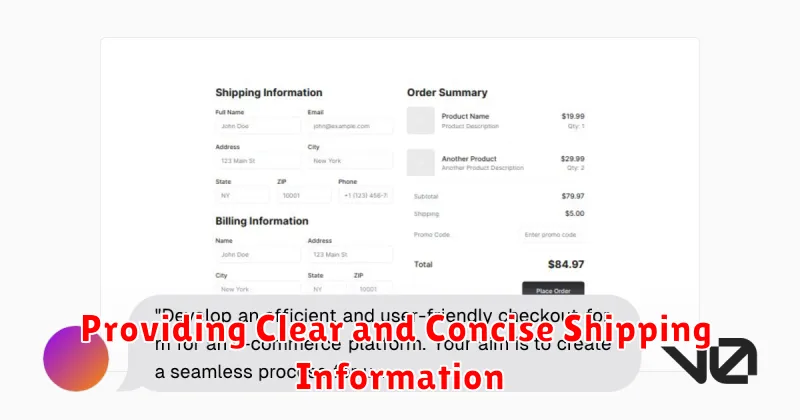
Transparent and easily accessible shipping information is crucial for a positive checkout experience. Customers need to know exactly what to expect regarding delivery times and costs before finalizing their purchase.
Clearly display all available shipping options, including estimated delivery dates and associated costs. Offer a range of choices, from standard to expedited shipping, to cater to different customer needs and budgets. Accuracy is paramount; ensure delivery estimates are realistic and avoid overpromising.
Provide a real-time shipping calculator that dynamically updates costs based on the customer’s location and chosen shipping method. This eliminates surprises at the final stage of checkout. Consider offering free shipping above a certain order threshold to incentivize larger purchases.
Communicate any potential shipping restrictions or delays upfront. If certain items cannot be shipped to specific locations, make this clear from the outset. For international shipments, clearly outline any applicable customs duties or taxes.
Offering Multiple Payment Options and Currencies
In today’s global marketplace, offering a variety of payment options and supporting multiple currencies is crucial for a positive checkout experience. Restricting payment methods can lead to abandoned carts and lost sales. By accommodating diverse customer preferences, businesses can significantly improve conversion rates.
Supporting popular payment methods such as credit cards (Visa, Mastercard, American Express), debit cards, digital wallets (PayPal, Apple Pay, Google Pay), and even buy now, pay later options caters to a wider audience. This flexibility ensures customers can use their preferred payment method, streamlining the purchasing process.
Currency conversion is equally important for international customers. Displaying prices and processing transactions in the customer’s local currency eliminates confusion and fosters trust. This seemingly small detail can greatly influence a customer’s decision to complete the purchase.
Consider offering a strategically selected range of payment options relevant to your target market. While offering every possible payment method might seem appealing, focusing on the most popular choices within your customer base can simplify integration and management while still meeting the needs of the majority.
Using Customer Data to Personalize the Checkout Experience
Personalization can significantly enhance the checkout experience. By leveraging customer data, businesses can create a more tailored and efficient process.
Remembering customer preferences, such as preferred shipping addresses and payment methods, eliminates redundant form filling and speeds up the checkout process. For returning customers, pre-filling these fields provides a frictionless experience.
Offering personalized product recommendations during checkout, based on past purchases or browsing history, can increase average order value. Suggesting complementary items or relevant upgrades provides a valuable service to the customer while boosting sales.
Tailoring language and currency based on the customer’s location further personalizes the experience. Displaying prices in the customer’s local currency eliminates conversion confusion and builds trust. Addressing the customer in their preferred language adds a personal touch.
Testing and Optimizing Your Checkout Process for Maximum Performance
A meticulously designed checkout process requires thorough testing and optimization to ensure peak performance and a positive user experience. This involves identifying and resolving any bottlenecks or friction points that could lead to abandoned carts and lost revenue.
Usability testing with real users is crucial. Observe how users navigate the checkout process, noting any difficulties they encounter. Collect feedback on clarity, ease of use, and overall satisfaction. This qualitative data provides valuable insights for improvement.
A/B testing different versions of your checkout process allows you to measure the impact of changes on key metrics like conversion rates and average order value. Experiment with different layouts, button placements, form fields, and messaging to determine what resonates best with your target audience.
Regularly monitor performance metrics such as page load times, error rates, and abandonment rates. Identify areas for improvement and implement changes iteratively. Continuous monitoring and optimization are essential for maintaining a high-performing checkout process.
