

In today’s competitive digital landscape, a seamless and engaging e-commerce user experience (UX) is paramount to success. Elevating your online store’s UX is not just about aesthetics; it’s about optimizing every touchpoint to create a positive and user-friendly journey for your customers. This comprehensive guide will equip you with practical tips to improve e-commerce UX, boosting customer satisfaction, driving conversions, and ultimately, increasing revenue. From streamlined navigation and mobile optimization to persuasive product descriptions and secure checkout processes, we’ll explore the essential elements of a high-performing e-commerce platform.
Whether you’re launching a new online store or seeking to refine an existing one, understanding the nuances of e-commerce UX is crucial. This article will delve into actionable strategies you can implement immediately to enhance your online store’s performance. Learn how to effectively leverage design principles, user research, and data analytics to create a truly exceptional e-commerce user experience that sets you apart from the competition and fosters customer loyalty.
Understanding the Importance of E-Commerce User Experience
In today’s competitive online marketplace, a positive user experience (UX) is paramount to the success of any e-commerce business. A seamless and enjoyable experience encourages customers to browse longer, purchase more, and ultimately, become loyal advocates for your brand.
User experience directly impacts conversion rates. A frustrating or confusing website can quickly drive potential customers away, leading to lost sales and diminished revenue. Conversely, a well-designed and intuitive platform fosters trust and encourages conversions.
Positive UX also contributes to customer retention. When customers have a pleasant experience, they are more likely to return for future purchases and recommend your store to others. This organic growth is invaluable for long-term sustainability.
Finally, a strong UX enhances your brand reputation. A well-crafted online experience reflects professionalism and attention to detail, building customer confidence and establishing your brand as a leader in the market.
Key Elements of a Positive User Experience
A positive user experience (UX) is crucial for e-commerce success. It encompasses all aspects of a customer’s interaction with your online store, influencing their perception of your brand and their likelihood of making a purchase. Several key elements contribute to a positive UX.
Accessibility ensures your website is usable by everyone, including those with disabilities. This includes features like alt text for images and keyboard navigation.
Usability focuses on how easily users can navigate and use your website. A clear and intuitive interface with efficient search functionality is key.
Credibility builds trust with your customers. Displaying secure payment options, contact information, and customer testimonials helps establish your store’s legitimacy.
Findability refers to how easily users can locate specific products or information on your site. Effective site search and clear categorization are essential.
Desirability is about creating an engaging and aesthetically pleasing experience. High-quality product images, compelling descriptions, and a visually appealing website design contribute to desirability.
Value is the overall benefit a customer receives from their interaction with your store. This includes not only the product itself but also the ease of purchase, customer service, and overall experience.
Optimizing Your Website Navigation and Design

A well-structured website is crucial for a positive user experience. Intuitive navigation allows customers to find what they need quickly and efficiently. A clear and organized layout contributes to a seamless browsing experience.
Implement a logical sitemap with clear categories and subcategories. A prominent search bar empowers users to locate specific products effortlessly. Breadcrumbs offer a visual trail, allowing users to understand their location within the website and navigate back easily.
Visually appealing design enhances the shopping experience. Employ high-quality product images and ensure consistent branding throughout the website. Optimize your website for mobile responsiveness to cater to users accessing your store on various devices. A clean and uncluttered design minimizes distractions and keeps users focused on the products.
Creating Compelling Product Pages
Product pages are the heart of your e-commerce store. They are where customers make the crucial decision to purchase. High-quality product pages convert browsers into buyers.
Start with professional, high-resolution images that showcase your product from multiple angles. Consider incorporating 360° views or videos to enhance the visual experience.
Detailed product descriptions are essential. Clearly articulate the features, benefits, and specifications. Use concise language and avoid jargon. Address potential customer questions proactively.
Customer reviews and ratings build trust and social proof. Encourage satisfied customers to leave feedback. Display reviews prominently on the product page.
Clear calls to action guide the customer towards purchase. Make the “Add to Cart” button easily visible and accessible. Consider offering related product recommendations to increase order value.
Streamlining the Checkout Process
A streamlined checkout is crucial for converting shoppers into paying customers. A complicated or lengthy process can lead to cart abandonment and lost sales. Minimize the number of steps required to complete a purchase. Offer guest checkout options to avoid forcing account creation.
Clearly display all costs upfront, including shipping and taxes. Unexpected charges are a major deterrent. Provide multiple payment options to cater to different customer preferences. Accepting various credit cards, digital wallets, and even buy-now-pay-later services can significantly improve conversion rates.
Optimize form fields for simplicity. Only request essential information. Pre-fill information whenever possible. Consider using address auto-complete features to reduce typing errors and speed up the process. Offer clear and concise progress indicators so customers know where they are in the checkout journey.
Leveraging Mobile Optimization for Enhanced UX
In today’s digital landscape, mobile optimization is no longer a luxury, but a necessity. A significant portion of online shopping occurs on mobile devices, making a seamless mobile experience crucial for e-commerce success.
Responsive design is paramount. Your website should adapt flawlessly to different screen sizes, ensuring readability and easy navigation on smartphones and tablets. Consider using a mobile-first approach, designing for smaller screens initially and scaling up.
Page load speed is another critical factor. Mobile users expect quick loading times. Optimize images, minimize HTTP requests, and leverage browser caching to enhance performance.
Streamline the checkout process on mobile. Reduce form fields to the essentials, and offer guest checkout options to minimize friction for users. Integrating mobile payment options like Apple Pay or Google Pay can further improve the checkout flow.
Personalizing the Shopping Experience
In today’s competitive e-commerce landscape, personalization is key to capturing and retaining customers. By tailoring the shopping journey to individual preferences, you can create a more engaging and rewarding experience.
Product Recommendations are a powerful personalization tool. Analyze browsing history and purchase data to suggest relevant items. This not only increases sales but also enhances customer satisfaction by helping them discover products they might otherwise miss.
Targeted Promotions based on demographics, past purchases, or even abandoned carts can significantly improve conversion rates. Offer personalized discounts and incentives to encourage shoppers to complete their purchases.
Customized Content, such as personalized welcome messages or product recommendations based on location, can create a sense of connection. Address customers by name and tailor the messaging to their specific needs and interests.
Personalized Email Campaigns allow you to keep in touch with customers and offer relevant updates, promotions, and product information. Segment your email list based on customer behavior and preferences to deliver highly targeted messages.
Improving Customer Service and Support
Exceptional customer service is crucial for e-commerce success. Providing efficient and helpful support builds trust and encourages repeat business.
Offer multiple support channels to cater to different customer preferences. These might include live chat for immediate assistance, email support for less urgent inquiries, and a comprehensive FAQ section to address common questions.
Ensure your customer service representatives are well-trained and equipped to handle a variety of situations. They should be knowledgeable about your products and policies, and empowered to resolve customer issues effectively.
Response times are critical. Aim to answer inquiries promptly, whether through live chat, email, or social media. Acknowledge receipt of inquiries and provide realistic timeframes for resolution.
Implement a system for tracking and managing customer interactions. This allows for personalized support and ensures that no inquiry falls through the cracks. Regularly solicit customer feedback on their support experiences to identify areas for improvement.
Using Analytics to Track and Improve UX
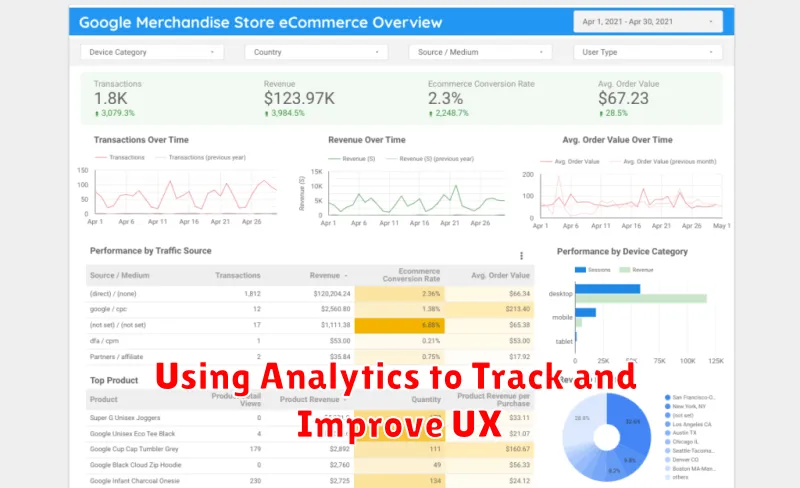
Data analysis is crucial for understanding user behavior and optimizing the e-commerce experience. By implementing analytics tools, you gain valuable insights into how customers interact with your online store.
Track key metrics such as bounce rate, time on page, and conversion rates to identify areas for improvement. A high bounce rate might indicate issues with site navigation or page loading speed. Low time on page could suggest that content isn’t engaging or that users aren’t finding what they’re looking for.
Segmentation allows you to analyze user behavior based on demographics, purchase history, and other factors. This helps personalize the shopping experience and target specific customer groups with tailored offers and promotions.
Use A/B testing to experiment with different design elements, layouts, and calls to action. By comparing the performance of different versions, you can identify which variations lead to higher conversion rates and improved user engagement.
