
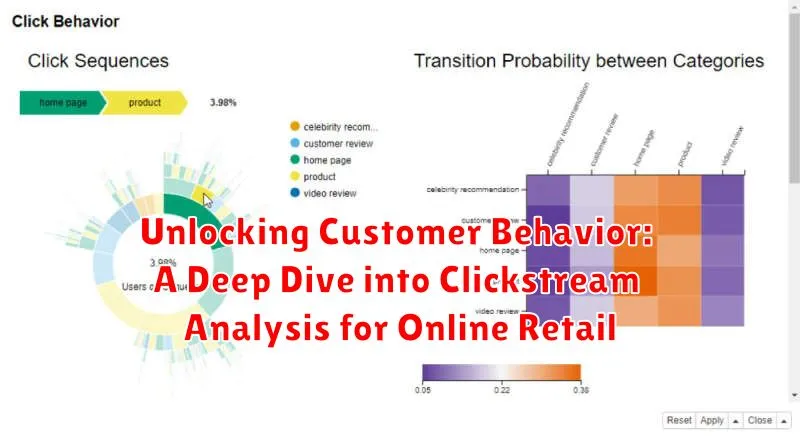
In today’s competitive online retail landscape, understanding customer behavior is paramount to success. Clickstream analysis offers a powerful tool to unlock these crucial insights, providing a granular view of how customers interact with your online store. This in-depth exploration into clickstream analysis for online retail will equip you with the knowledge to optimize your website, personalize the customer journey, and ultimately, drive conversions. We will delve into the mechanics of collecting and interpreting clickstream data, illuminating its potential to transform your online retail strategy.
This article will provide a comprehensive guide to leveraging the power of clickstream analysis. We will explore the various metrics that can be derived from clickstream data, including customer journey mapping, conversion rate optimization, and product recommendations. By understanding the intricacies of customer behavior through clickstream analysis, you can gain a competitive edge in the online retail market. Prepare to unlock the secrets of your customers’ online journeys and revolutionize your approach to online retail.
What is Clickstream Analysis and Why is it Important?
Clickstream analysis is the process of collecting, analyzing, and reporting aggregate data about which pages a website visitor visits, and in what order. It provides valuable insights into user behavior on a website. By tracking and analyzing this “clickstream” data, businesses can gain a deeper understanding of how customers interact with their online platforms.
This analysis is crucial for online retailers as it reveals how users navigate through product pages, what content captures their attention, and where they encounter friction in the buying process. Understanding these patterns helps optimize website design, personalize user experiences, and ultimately drive conversions and sales.
The importance of clickstream analysis lies in its ability to transform raw data into actionable intelligence. It allows retailers to move beyond simple metrics like page views and bounce rates, and delve into the nuances of customer behavior. By understanding the “why” behind user actions, businesses can make data-driven decisions to improve their online presence and achieve business objectives.
Types of Clickstream Data: Traffic Sources, Page Views, and Interactions
Clickstream data encompasses various user interactions, providing valuable insights into online behavior. Understanding the different types of data is crucial for effective analysis. Primarily, clickstream data can be categorized into three core types: traffic sources, page views, and interactions.
Traffic Sources reveal where visitors originate. This includes search engines (organic and paid), social media platforms, referral websites, email campaigns, and direct traffic. Knowing the source helps determine which marketing channels are most effective.
Page Views track the specific pages users visit on a website. This data reveals popular content, identifies underperforming pages, and helps understand user navigation flow. Analyzing page views can highlight areas for improvement in website structure and content strategy.
Interactions provide details on how users engage with website elements. This includes clicks on buttons, links, and menus; form submissions; product views; add-to-cart actions; and video plays. Analyzing interactions provides insight into user intent, preferences, and potential pain points in the customer journey.
How to Collect Clickstream Data: Tools and Techniques
Collecting clickstream data requires implementing various tools and techniques, allowing businesses to capture user interactions effectively. Choosing the right approach depends on the specific needs and resources of the business.
JavaScript Tagging: This common method involves embedding JavaScript code snippets directly into web pages. These snippets track user actions and send the data to a designated server for analysis. It offers a granular level of control over data collection.
Log File Analysis: Web servers automatically generate log files that record user requests and activity. Analyzing these logs can provide insights into user behavior, though the level of detail might be less compared to JavaScript tagging.
Web Analytics Platforms: Services like Google Analytics offer comprehensive clickstream data collection and analysis capabilities. These platforms typically provide pre-built dashboards and reports, streamlining the process of understanding user behavior.
Packet Sniffers: While less common for general website analytics, packet sniffers can capture detailed network traffic data, including user clicks and interactions. This technique is typically reserved for more advanced analysis and security monitoring.
Analyzing Clickstream Data: Identifying Patterns and Trends
Once clickstream data is collected, the crucial next step is analysis. This involves identifying meaningful patterns and trends that reveal how customers interact with your online store.
Segmentation is a powerful technique. By dividing customers into groups based on shared characteristics (e.g., demographics, browsing history), you can analyze their behavior more effectively. For instance, you might discover that a specific customer segment frequently abandons their cart after viewing the shipping costs.
Trend analysis focuses on observing changes in customer behavior over time. This might include tracking the popularity of certain products, identifying seasonal buying patterns, or observing the impact of marketing campaigns on website traffic and conversions.
Cohort analysis examines specific groups of users who share a common characteristic over time. By analyzing the behavior of these cohorts, you can gain insights into customer lifetime value and identify areas for improvement in customer retention strategies. For example, you can analyze the purchase behavior of customers who signed up during a specific promotion.
Using Clickstream Analysis to Improve Website Design and Navigation
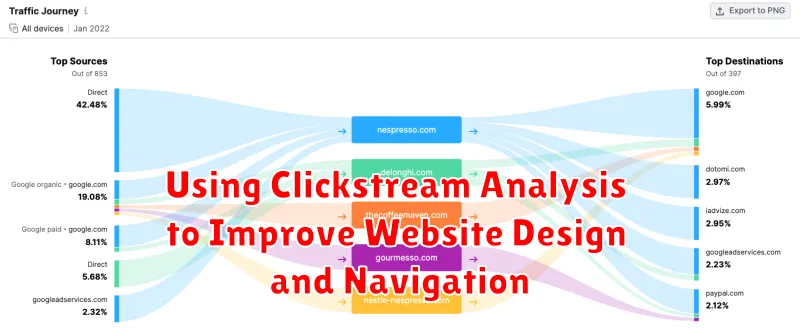
Clickstream analysis provides invaluable insights for optimizing website design and navigation, directly impacting user experience and conversion rates. By understanding how customers interact with your website, you can identify pain points and areas for improvement.
Identifying Bottlenecks: Analyze clickstream data to pinpoint pages with high bounce rates or exit rates. These pages may have confusing layouts, slow loading times, or irrelevant content. Streamlining these areas can significantly improve user flow.
Optimizing Navigation Paths: Clickstream data reveals the paths customers take to reach desired products or information. This allows you to optimize navigation menus, internal links, and search functionality to align with actual user behavior. Simplify navigation by placing frequently accessed pages in prominent locations.
A/B Testing for Design Improvements: Use clickstream analysis to measure the effectiveness of different design elements. A/B test variations of layouts, calls to action, and color schemes to determine which versions resonate best with your target audience and lead to higher conversions.
Personalizing the User Experience: By segmenting users based on their clickstream patterns, you can tailor the website experience to their specific needs and preferences. This may include personalized product recommendations, targeted promotions, or customized content displays.
Personalizing the Customer Experience with Clickstream Data
Clickstream analysis empowers online retailers to personalize the customer experience at an individual level. By understanding each customer’s unique browsing patterns, retailers can tailor content, offers, and interactions to resonate more effectively. This targeted approach moves beyond generic marketing and creates a more engaging and relevant experience.
For instance, if a customer frequently views products within a specific category, the retailer can dynamically display similar items or complementary products on their next visit. This proactive personalization anticipates customer needs and streamlines the shopping process.
Furthermore, clickstream data allows for customized website navigation. By analyzing frequently accessed pages and product categories, retailers can optimize website layouts and menu structures for individual users. This reduces friction in the customer journey and encourages further exploration of the site.
Enhancing Product Recommendations and Cross-selling Opportunities
Clickstream analysis provides invaluable data for enhancing product recommendations and creating effective cross-selling strategies. By understanding browsing patterns, retailers can identify products frequently viewed together and suggest complementary items. This personalized approach increases the likelihood of a customer adding more items to their cart, ultimately boosting average order value.
Analyzing the sequence of clicks leading to a purchase allows retailers to anticipate customer needs and offer relevant product suggestions. For example, if a customer views a camera, clickstream data can reveal if they subsequently browse lenses, memory cards, or camera bags. This information allows for targeted cross-selling at checkout or through personalized email campaigns.
Real-time clickstream data enables dynamic product recommendations. If a customer adds a specific item to their cart, complementary products can be immediately suggested, capitalizing on their immediate purchase intent. This approach maximizes cross-selling potential by offering relevant products at the most opportune moment.
Boosting Conversion Rates with Clickstream Insights
Clickstream analysis offers invaluable insights for optimizing conversion rates. By meticulously examining user behavior patterns, businesses can identify and address friction points within the online sales funnel. This data-driven approach allows for strategic improvements to the user experience, ultimately leading to increased conversions.
For example, analyzing cart abandonment rates can reveal specific product pages or checkout steps causing hesitation. Are customers dropping off due to unexpected shipping costs or a complicated payment process? Clickstream data provides the answers, allowing businesses to make targeted adjustments and streamline the path to purchase.
Another powerful application of clickstream analysis is in A/B testing. By tracking user interactions with different versions of web pages or calls to action, businesses can identify which variations resonate most effectively with their target audience. This allows for data-backed decisions on website design and content, optimizing for maximum conversion impact.
Clickstream Analysis and Customer Journey Mapping
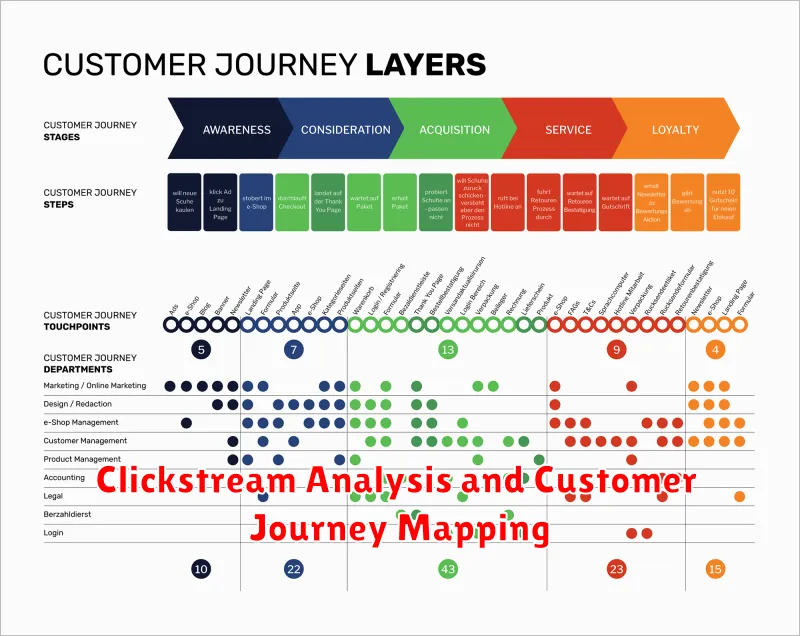
Clickstream analysis plays a crucial role in effective customer journey mapping. By meticulously tracking user interactions, businesses gain valuable insights into how customers navigate their online platforms. This data provides a foundation for understanding the typical customer journey, identifying pain points, and optimizing the user experience.
Visualizing the customer journey through mapping helps pinpoint areas where customers might encounter friction, such as complex navigation or slow loading times. These insights allow businesses to streamline processes, personalize interactions, and ultimately enhance customer satisfaction.
By combining clickstream analysis with other data sources, businesses can create comprehensive customer journey maps that reflect the entire customer lifecycle. This holistic view enables a deeper understanding of customer behavior and empowers businesses to make informed decisions that drive conversions and foster loyalty.
